Eggs frozen today carry the biology of today, permanently.
A woman who freezes at 29 and uses those eggs at 38 conceives with the reproductive age of 29. That is the entire case for egg freezing – and the earlier it is done, the stronger that case becomes.

Dr. Pavan Bendale (M.B.B.S., DGO, DNB) offers egg and sperm freezing in Wakad at his Tathawade clinic, with the full process handled in-house: AMH assessment, custom stimulation, monitored retrieval, and same-day vitrification storage, across 12 to 14 days total. Women under 35 who freeze 15 to 20 mature eggs carry a 70 to 80 percent cumulative chance of a live birth from those eggs. Sperm freezing requires one appointment, no injections, and is complete within an hour. No step in either process is referred to a third-party lab.
The most common reason couples from Wakad, Hinjewadi, Baner, Balewadi, Aundh, and Pimpri-Chinchwad delay fertility preservation is the assumption that they have more time than they do. AMH levels, which predict ovarian reserve, can decline significantly between 28 and 33 with no symptoms, no warning, and no way to know without a test.
This page covers who should freeze, what the process involves, what realistic success rates look like by age, and what egg and sperm freezing in Wakad costs – so you can make this decision with real information, not assumptions.
What Is Egg Freezing and Why Does the Technology Matter?
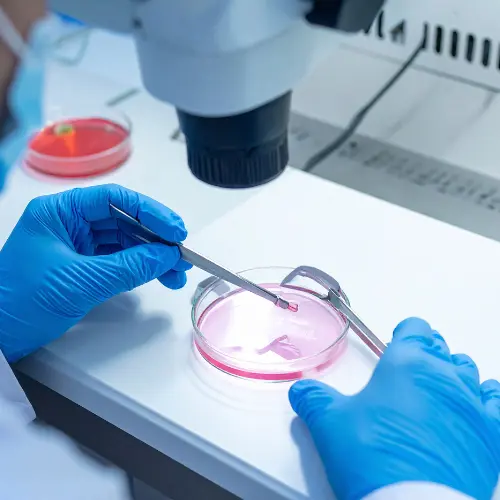
Egg freezing, medically called oocyte cryopreservation, is the process of retrieving mature eggs from the ovaries, freezing them, and storing them for future use.
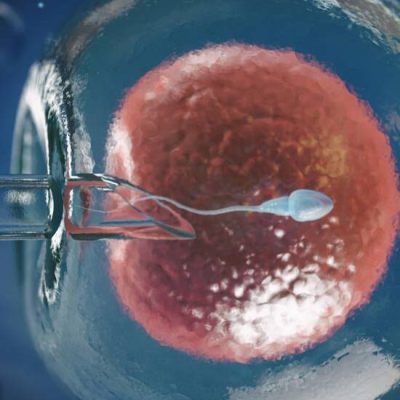
When you are ready to conceive, those eggs are thawed, fertilised through IVF or ICSI, and transferred as embryos. The process uses your eggs from the age at which you froze them, not your age at the time of transfer.
The technology used today is called vitrification.
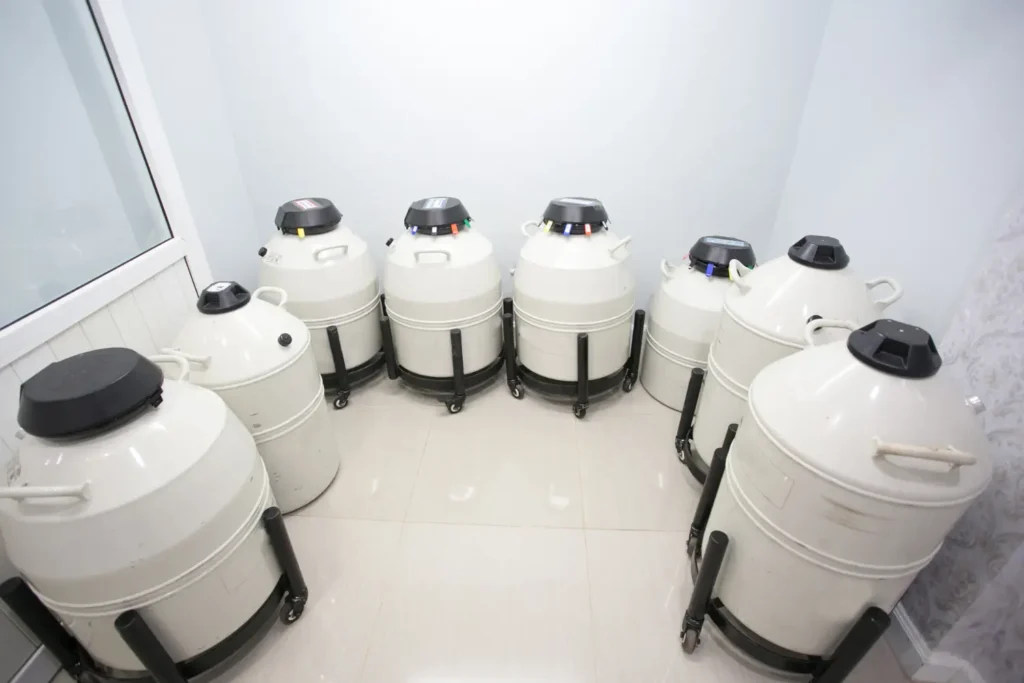
Older slow-freeze methods allowed ice crystals to form inside the egg cells during the freezing process, damaging the egg’s structure and reducing survival rates after thaw. Vitrification flash-freezes eggs so rapidly, within milliseconds, that no ice crystals form. The egg is preserved structurally intact.
The difference in outcome between the two methods is not marginal. It is the reason the American Society for Reproductive Medicine (ASRM) removed the “experimental” label from egg freezing in 2012. Vitrification made the results reliable enough to recommend as standard practice.
Dr. Pavan Bendale’s embryology lab uses vitrification for every egg freezing cycle. No slow-freeze. No outsourcing the cryopreservation step to an external facility.
The Egg Freezing Process at Dr. Pavan Bendale’s Clinic
Step 1: Fertility Assessment
Every egg freezing cycle begins with knowing where your ovarian reserve stands today.
Dr. Pavan Bendale runs blood tests for AMH (Anti-Mullerian Hormone), FSH, and estradiol, combined with an antral follicle count ultrasound. Together, these give a precise picture of how many eggs you have available and how your ovaries are likely to respond to stimulation. The stimulation protocol is built around these numbers, not applied as a standard template.
Step 2: Ovarian Stimulation (10 to 14 Days)
Injectable hormones are used to encourage the ovaries to mature multiple eggs in a single cycle rather than the usual one.
Follicle growth is tracked through ultrasound scans every 2 to 3 days. The protocol is adjusted based on how your ovaries are responding. Women with PCOS require a different approach than women with low ovarian reserve, and both require a different approach than someone with normal baseline levels.
Step 3: Trigger Injection
Once the follicles reach the ideal size, typically 18 to 20mm, a trigger injection is given to prepare the eggs for retrieval. Retrieval is scheduled exactly 34 to 36 hours later.
Step 4: Egg Retrieval
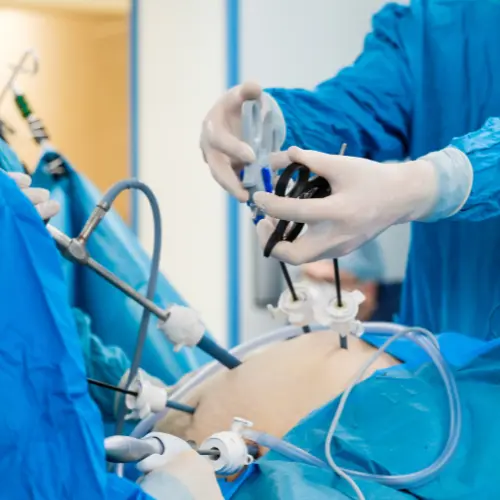
Eggs are collected through a short ultrasound-guided procedure under sedation. It takes 15 to 20 minutes. You go home the same day.
Most women experience mild bloating or cramping for a day or two. There is no surgical incision and no hospital admission required.
Step 5: Vitrification and Storage
Retrieved eggs are vitrified immediately in the in-house embryology lab and stored in liquid nitrogen at minus 196 degrees Celsius.
At this temperature, all biological activity stops completely. An egg frozen today and an egg frozen 10 years from today are biologically identical at the point of thaw. There is no degradation in storage. The only variable that affects quality is the age at which the egg was frozen.
What Is Sperm Freezing and Who Needs It?
Sperm freezing, or sperm cryopreservation, is considerably simpler than egg freezing. No injections. No sedation. No recovery time.
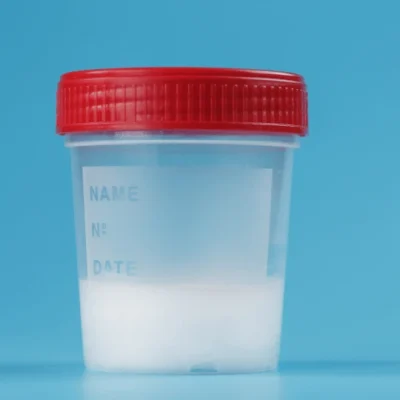
A semen sample is produced, analysed for count, motility, and morphology using the same process as a standard semen analysis, and then processed with cryoprotectant agents and stored in liquid nitrogen. From collection to freezing, the entire process takes about an hour.
Dr. Pavan Bendale recommends sperm freezing in the following situations:
- Before chemotherapy, radiation, or any cancer treatment that may permanently damage sperm production
- Before surgery that could affect fertility, including vasectomy or testicular procedures
- Men with a declining sperm count or quality who want to preserve a healthier sample before further decline
- Men who travel frequently or work abroad and may not be available on the specific day of their partner’s IUI or IVF cycle
- As a precautionary backup during IVF cycles in case sample production is difficult on retrieval day
- Transgender individuals preserving fertility before beginning hormone therapy
Every frozen sperm sample at Dr. Pavan Bendale’s lab undergoes a post-thaw analysis before being used in any treatment. The sample is only cleared for use once viability after thawing has been confirmed.
Who Should Seriously Consider Fertility Preservation in Wakad?
Egg and sperm freezing in Wakad is not only for people with a diagnosed medical condition. The reasons people choose fertility preservation are personal and varied, and all of them are valid.

The most common scenarios Dr. Pavan Bendale sees:
- Women in their late 20s or early 30s who are not ready for a baby yet but want to keep the option open
- Professionals in demanding careers, particularly those working in the Hinjewadi IT corridor, who are focused on building their careers through their peak fertility years
- Anyone diagnosed with cancer, autoimmune disease, or a condition requiring treatments known to damage reproductive cells
- Women with a family history of early menopause or premature ovarian insufficiency
- Single women who have not found the right partner and do not want biology to force a decision before they are ready
- Couples undergoing IVF who want to vitrify additional eggs or embryos for future cycles without repeating a full retrieval
- Men facing any medical treatment or prolonged lifestyle exposure (heat, stress, radiation) that could reduce sperm quality over time
Patients from Wakad, Hinjewadi, Baner, Balewadi, Sus Road, Punawale, Ravet, and Chinchwad all travel to Dr. Pavan Bendale’s clinic in Tathawade for this. The location is central enough that the distance has never been the reason someone delays a decision they should have made sooner.
“I am 31, single, and focused on my career. I was not ready for a baby but was terrified of running out of time. Dr. Pavan Bendale explained everything without any pressure at all. I froze 14 eggs and it genuinely feels like the most sensible decision I have made.”
— Verified patient, Google Reviews
The Right Age to Freeze Eggs — An Honest Answer
The ideal age is before 33.
Egg quality and quantity both decline with age, but the decline becomes more pronounced after 35. Freezing at 28 produces biologically younger, higher-quality eggs than freezing at 35. And freezing at 35 still produces better outcomes than attempting to conceive with fresh eggs at 40.
Age at freezing is the single most important variable in egg freezing success. Not the clinic. Not the stimulation protocol. The age of the egg when it was frozen.
That said, freezing at 35 or even 37 is not pointless. It is meaningfully better than not freezing at all. Dr. Pavan Bendale will give you an honest assessment of what your ovarian reserve looks like today and what a realistic retrieval could yield, so you can decide with real information in front of you.
The answer to “is it too late?” is almost always “it is not too late, but it is not too early either.” The best time to freeze is now, if you are thinking about it.
Egg Freezing Success Rates — What the Numbers Actually Mean
Success rates in egg freezing are cumulative, meaning they account for all the eggs frozen and all the chances you get to use them, not a single transfer attempt.
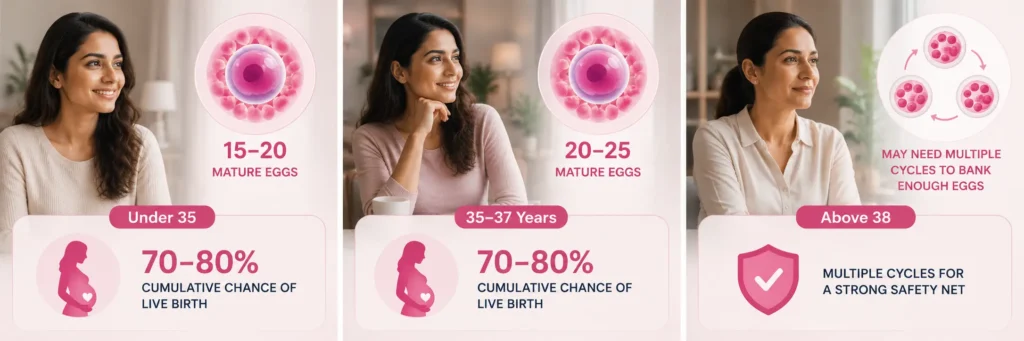
Here is an honest framework:
- Women under 35 who freeze 15 to 20 mature eggs have a roughly 70 to 80 percent cumulative chance of a live birth from those eggs
- Women between 35 and 37 typically need 20 to 25 eggs to reach similar cumulative odds
- Women above 38 may need multiple stimulation and retrieval cycles to bank enough high-quality eggs for a meaningful safety net
These are population-level figures. They shift based on individual ovarian reserve, egg quality at retrieval, and the embryo development environment at the time of transfer.
Dr. Pavan Bendale gives you an individualised estimate at the first consultation based on your AMH, antral follicle count, and age. Where embryo-level genetic screening is relevant, preimplantation genetic testing (PGT) can further improve transfer success rates by identifying chromosomally normal embryos before transfer.
No inflated promises. No headline success rates that apply to 25-year-olds presented as if they apply to everyone. Just the data that is relevant to your situation.
Dr. Pavan Bendale vs. Typical Fertility Centres
| What Matters | Dr. Pavan Bendale | Most Other Centres |
|---|---|---|
| Freezing technology used | Vitrification (flash-freeze) for all cases | Slow-freeze still common at many labs |
| Embryology lab location | In-house, on-site | Samples sent to external labs |
| Stimulation protocol | Customised per patient AMH and age | Standard protocol applied to all |
| Ovarian reserve assessment before cycle | Always done first, before any decision | Sometimes skipped or done after booking |
| Who performs egg retrieval | Dr. Pavan Bendale personally | Often a junior doctor or trainee |
| Post-thaw sperm analysis | Standard before every use | Not always performed |
| Cost transparency | Full breakdown shared at first consultation | Vague estimates, charges that appear later |
| Storage fee communication | Annual fees explained clearly upfront | Escalating or hidden fees are common |
What Does Egg and Sperm Freezing in Wakad Cost?
The cost of egg freezing covers the initial fertility assessment, stimulation medications, monitoring scans, the egg retrieval procedure, vitrification, and the first year of storage.
Annual storage fees apply from the second year onward and are fixed and communicated clearly before you begin.
Sperm freezing is considerably less expensive. There is no stimulation phase and no retrieval procedure. The cost covers semen analysis, processing, cryopreservation, and storage.
The complete cost breakdown is shared at your first consultation. No ballpark figures. No charges that appear halfway through the cycle. You know exactly what you are paying for before anything begins.
How Long Can Frozen Eggs and Sperm Be Stored?
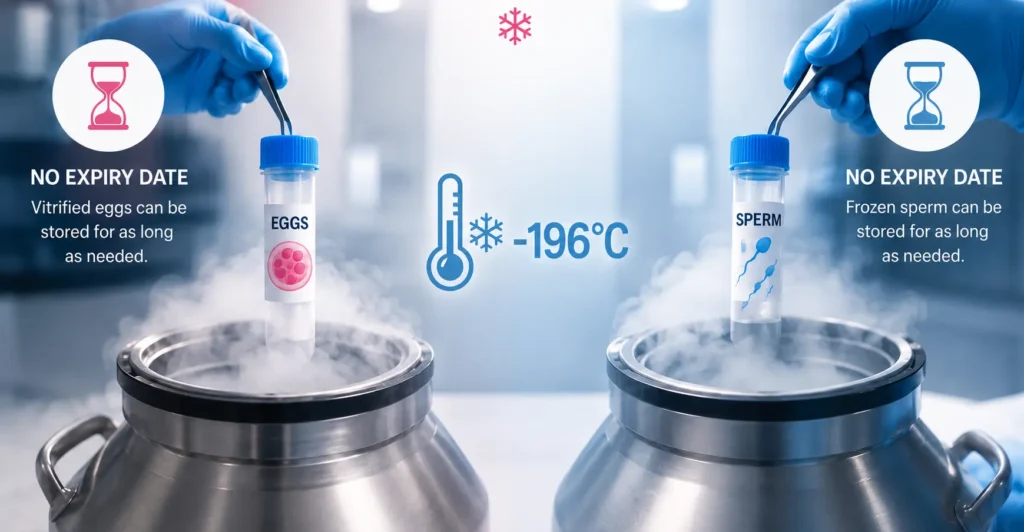
There is no biological expiry date on vitrified eggs or frozen sperm.
At minus 196 degrees Celsius, all cellular activity is completely halted. A sample stored for 12 years is biologically identical to a sample stored for 12 months. The vitrification process preserves the egg or sperm exactly as it was at the moment of freezing.
The ICMR and international reproductive medicine bodies acknowledge that fertility preservation technologies allow individuals to make family-building decisions on their own terms, independent of the biological clock pressure that otherwise forces premature choices.
Storage agreements at Dr. Pavan Bendale’s practice are renewed annually. There is no pressure on timelines and no arbitrary cut-off applied to stored samples.
Frequently Asked Questions About Egg and Sperm Freezing in Wakad
Is the egg retrieval procedure painful?
The daily stimulation injections feel like a small pinch. The retrieval itself is performed under sedation, so you will not feel anything during the procedure.
Mild bloating or cramping for a day or two afterward is normal. Most women return to regular activity within 48 hours.
Can I freeze eggs if I have PCOS?
Yes. Women with PCOS often produce a higher number of follicles per cycle, which can actually be an advantage for egg freezing.
Dr. Pavan Bendale uses modified stimulation protocols specifically to prevent ovarian hyperstimulation while maximising the number of mature eggs retrieved.
How many eggs should I freeze?
For women under 35, freezing 15 to 20 mature eggs provides a strong safety net with meaningful cumulative success odds. Women above 35 typically need more eggs to achieve comparable outcomes.
Dr. Pavan Bendale gives you a personalised target based on your AMH and antral follicle count at your first assessment.
Will egg freezing reduce my natural fertility?
No. The eggs retrieved during a freezing cycle are eggs that would have been naturally lost that month in your normal cycle. The ovaries are not depleted by the process.
Your overall ovarian reserve is not reduced by egg freezing.
Can frozen sperm be used for IUI?
Yes. Frozen sperm can be used for IUI, IVF, or ICSI depending on the post-thaw quality.
A post-thaw analysis is always performed before the sample is used in any procedure to confirm it meets the quality threshold for the planned treatment.
What is the best age to freeze eggs?
Ideally before 33, when egg quality and quantity are both at their strongest. Freezing at 35 is still significantly better than not freezing at all.
If you are thinking about it, the best time is now, not after another year of deliberating.
Is embryo freezing different from egg freezing?
Yes. Egg freezing stores unfertilised eggs. Embryo freezing stores eggs that have already been fertilised with sperm and developed into embryos.
Embryo freezing offers slightly higher post-thaw survival rates, but it requires a committed sperm source at the time of freezing. Egg freezing preserves that decision for later. Dr. Pavan Bendale advises which option suits your situation at the consultation.
I am based in Hinjewadi. How far is the clinic?
The clinic is in Tathawade, a short drive from Hinjewadi Phase 1, 2, and 3. Most patients from Baner, Balewadi, Wakad, and Aundh reach the clinic in under 15 minutes.
Appointment and directions Click here
“I was diagnosed with early-stage lymphoma at 29. My oncologist told me to freeze my eggs before chemotherapy began. Dr. Pavan Bendale had everything ready within 2 weeks so cancer treatment was not delayed. That speed and care meant everything.”
— Verified patient, Google Reviews
Your Fertility. Your Timeline. Take Control of It.
Whether you are freezing eggs because you want more time, or preserving sperm before a medical procedure, the first step is a single consultation.
Dr. Pavan Bendale assesses your current fertility status, explains what the process involves for your specific situation, and gives you a clear picture of timelines, expected outcomes, and costs. No upselling. No pressure to proceed before you are ready.
Learn more about Dr. Pavan Bendale’s qualifications and background before your visit.
Dr. Pavan Bendale, Fertility Specialist, Wakad
301, 3rd Floor, Darekar Heights, Dange Chowk Road, Bhumkar Chowk Rd, Opp. Pandit Petrol Pump, Tathawade, Pune 411033
Call / WhatsApp: 07840950737
Email: pavanbendale007@gmail.com