You have probably heard that IUI is the first step in fertility treatment. And in many cases, that is true. But what most websites do not tell you is when artificial insemination actually works, when it is a waste of time, and how to know if you even need it in the first place.
If you are exploring IUI treatment in Wakad and want straight answers without the sugar-coating, this page is for you. Wakad has transformed from a quiet periphery into one of the fastest-growing suburbs under the Pimpri-Chinchwad Municipal Corporation, driven by the expanding IT sector. As the local population grows, so does the need for transparent, high-quality healthcare. Dr. Pavan Bendale (M.B.B.S., DGO, DNB, FRM) has performed hundreds of successful IUI cycles for couples across Wakad, Hinjewadi, Tathawade, Baner, and Pimpri-Chinchwad. The approach at this fertility clinic is simple: If IUI can work for you, great. If it cannot, you will be told that honestly before spending a single rupee.
What Is IUI and How Is It Different from IVF?
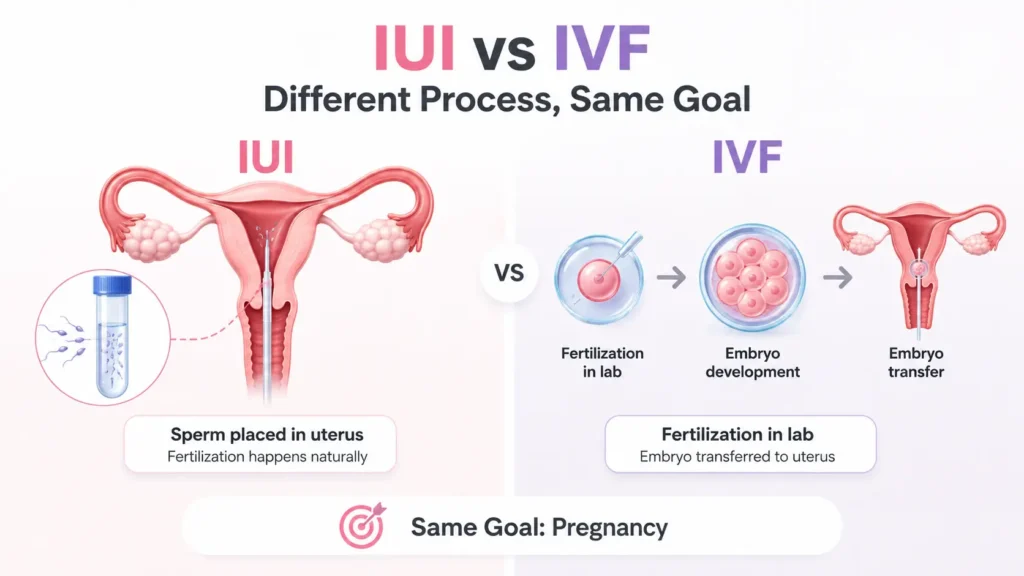
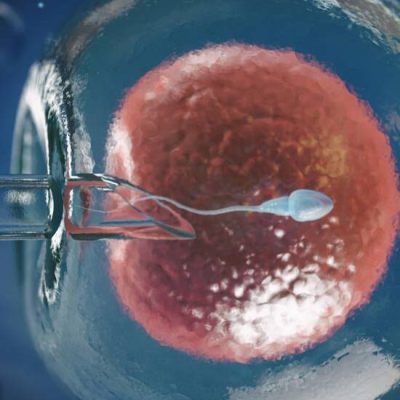
IUI stands for Intrauterine Insemination. It is an assisted reproductive technique where washed and concentrated sperm is placed directly inside the uterus around the time of ovulation. The goal is to shorten the distance sperm needs to travel and increase the number of healthy sperm that reach the fallopian tubes.
The key difference between IUI and IVF is this: In IUI, fertilization still happens naturally inside your body. In IVF, eggs are taken out, fertilized in a lab, and the embryo is transferred back. IUI is less invasive, less expensive, and requires less medication. But it also has a lower success rate per cycle compared to IVF.
Think of IUI as giving nature a strong push in the right direction. Not replacing the process, just making it more efficient.
How Does an IUI Cycle Work, Step by Step?
An IUI cycle is simpler and shorter than IVF, but it still needs to be done precisely. Here is what happens during a typical cycle under Dr. Pavan Bendale:
- Initial Evaluation and Baseline Scans: Before anything starts, Dr. Pavan Bendale reviews your medical history, hormone levels, and your partner’s semen analysis. A baseline ultrasound checks your ovarian reserve and rules out structural issues like polyps or fibroids.
- Ovulation Induction (Day 2 to Day 5 Onwards): Most IUI cycles use mild oral medications to stimulate the ovaries to produce mature follicles. Controlled stimulation is key.
- Follicle Monitoring (Every 2-3 Days): Ultrasound scans track how your follicles are growing. This monitoring is what separates a well-timed IUI from a guesswork IUI.
- Trigger Injection: Once the lead follicle reaches the ideal size (18-22mm), a trigger shot (usually hCG) is given to induce ovulation within 36 hours.
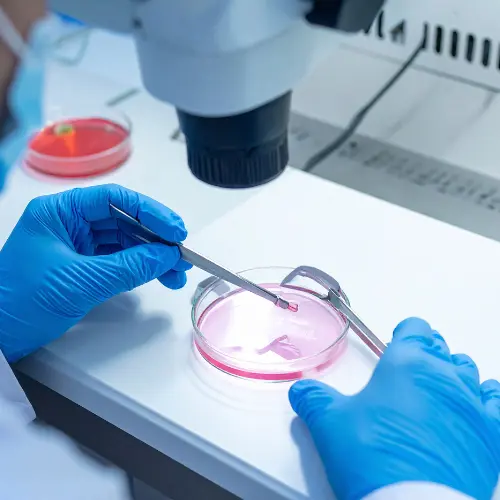
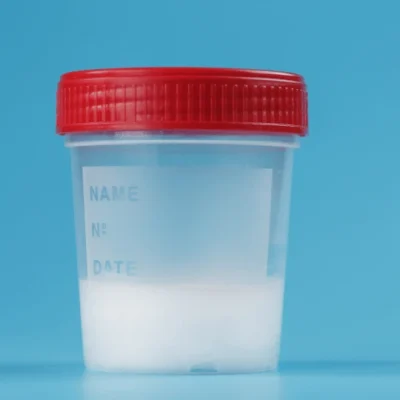
- Semen Collection and Sperm Wash: On the day of the procedure, a semen sample is processed through a sperm washing technique to separate the healthiest, most motile sperm. You can also explore sperm freezing for future use if required.
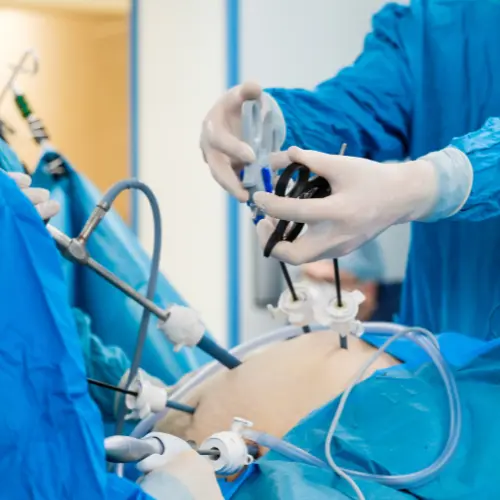
- The IUI Procedure Itself: A thin catheter is used to place the washed sperm directly into the uterine cavity. It takes 5 to 10 minutes with no anaesthesia needed.
- Luteal Phase Support and Pregnancy Test: Progesterone support may be prescribed, followed by a blood beta-hCG test 14 to 16 days later.
The Indian Council of Medical Research (ICMR) recognizes IUI as an effective first-line treatment for couples with unexplained infertility, mild male factor issues, and ovulatory disorders.
Who Is IUI Best Suited For?
IUI works well for specific situations. Dr. Pavan Bendale recommends it when the following conditions are present:
- Unexplained infertility where basic tests come back normal.
- Mild male factor infertility with slightly low sperm count or reduced motility.
- Cervical factor infertility.
- Ovulatory disorders like PCOS, where ovulation induction combined with IUI improves chances.
- Couples using donor sperm or single women pursuing motherhood.
- Mild endometriosis (Stage I or II) where fallopian tubes are open.
“We were told to try IUI at another place without proper testing. Two failed cycles and a lot of money wasted. Dr. Pavan Bendale did a full evaluation first and told us exactly why IUI would work for us this time. It did. First cycle itself.”
– Verified patient
IUI Success Rates: What You Should Realistically Expect
The success rate of a single IUI cycle typically ranges between 15 to 20 percent for women under 35 with a good diagnosis. The cumulative success rate improves when you do 3 to 4 well-timed, monitored cycles.
Factors influencing your success include your age, the total motile sperm count, ovulation induction response, and proper timing.
Dr. Pavan Bendale vs. Typical Fertility Centres
| What Matters in IUI | Dr. Pavan Bendale | Most Other Centres |
|---|---|---|
| Full evaluation before starting | ✓ Always | ✗ Often skipped |
| Individualized ovulation induction | ✓ Custom per patient | ✗ Standard dose for all |
| Follicle monitoring | ✓ Every 2-3 days | ✗ Single scan or none |
| In-house sperm washing lab | ✓ On-site | ✗ Outsourced |
| Insemination performance | ✓ Dr. Pavan Bendale himself | ✗ Junior staff or nurse |
| Honest stop recommendations | ✓ After 3-4 failed cycles | ✗ Keeps repeating cycles |
| Transparent pricing | ✓ Full cost upfront | ✗ Hidden charges |
What Does IUI Treatment in Wakad Cost?
Choosing IUI treatment in Wakad is significantly more affordable than pursuing IVF. A single cycle typically includes the consultation, ovulation medications, monitoring scans, sperm wash, and the insemination itself. The exact cost depends on whether injectable medications or additional hormone panels are required. The full breakdown is always shared upfront, meaning no hidden charges.
IUI vs. IVF: Which One Do You Actually Need?
Choose IUI when at least one fallopian tube is open, male sperm issues are mild, and you are generally under 35 with unexplained infertility. Choose IVF if both tubes are blocked, severe male factor infertility exists, or you have already failed 3 to 4 well-timed IUI cycles.
Frequently Asked Questions About IUI Treatment in Wakad
Is IUI painful?
Not really. Most women compare it to a routine gynaecological exam. The catheter insertion takes a few seconds and causes mild discomfort at most.
How long does the IUI procedure take?
The insemination itself takes about 5 to 10 minutes. Including the sperm wash preparation, plan to be at the clinic for about an hour total.
How many IUI cycles should I try before moving to IVF?
The general recommendation is 3 to 4 well-monitored cycles. If pregnancy does not occur, the chances of it working in subsequent cycles drop considerably.
Does IUI work for PCOS patients?
Yes, and quite well. PCOS patients who do not ovulate regularly often respond very well to ovulation induction combined with IUI.
Ready for a Proper Evaluation?
The only way to know if this path is right for you is through a proper clinical evaluation. Dr. Pavan Bendale will assess your reports and tell you clearly whether IUI treatment in Wakad has a realistic chance of working for you.
Dr. Pavan Bendale
301, 3rd Floor, Darekar Heights, Dange Chowk Road,
Bhumkar Chowk Rd, Opp. Pandit Petrol Pump,
Tathawade, Pune 411033